The convergence of different technologies always have unexpected and interesting results. The concept of altered reality is a perfect example of such convergence. There was a time when desktop computing was the only flagship of the computing world. In the era of desktop computing, the computers were meant to store and process real-world data and input-output devices were meant to let humans interact with computers. The computers, the desktop ones, were confined to offices, homes and laboratories.
With the rise of embedded and mobile computing, the processor chips have found place into everything that the people use, be it smart phones, smart watches, headsets, goggles or even bracelets, contact lenses, rings and clothes. This ubiquitous expansion of the computing world, credits to the portable and wearable smart devices, have let developers and designers to merge real life of the masses further and farther with technology. This revolutionary expansion in consumer electronics has found an interesting convergence with simulation technology and believe this is going to change forever the way computers are used. The mobile and embedded computing combined with altered reality, artificial intelligence and Internet of Things is going to be the new future.
While the concept of artificial intelligence is focussed on letting computers learn about their real surroundings autonomously, the altered reality will let humans interact with the real world in a computer aided fashion. With the help of altered reality, humans could interact with real world and act in real life far smartly, all with the assistance of mobile and embedded processors (which will be much smarter in their own capacity credits to AI and IoT). Combined with Internet of Things, these futuristic smart portable computing devices will have bulk of real-use data at their disposal in a flash of moment anytime and anywhere. The futuristic computing devices will be meant to let humans interact with the real-world with immersed ‘processor generated virtuality’ and ‘sensors perceived reality’.
Well, confining this discussion to altered reality, presently, the altered reality is synonym to Augmented Reality and Mixed Reality, while simulation technology has found its own consumer variant in the form of Virtual Reality. Obviously and eventually, the idea of augmented reality evolved after virtual reality and the concept of mixed reality is a creative and immersive combination of virtual reality and augmented reality.
Beginning with the Beginning –
The technology is always seen from a perspective of productivity but it is creativity that has always let it take a leap. The virtual reality (and so altered reality) has its roots in centuries-old artworks – the panoramic paintings and 360 degree murals.

Fig. 1: A panoramic painting from 12th Century
The idea evolved with theatrical illusions throughout 18th century and flight simulators in 1920s. The Morton Heilig’s Sensorama was the first genuine attempt towards Virtual Reality. The present form of VR found its inception with Head Mount Displays in 1960s.
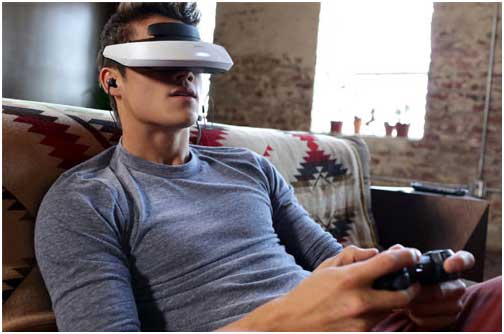
Fig. 2: Popular Head Mount Displays for Virtual Reality
The most assertive application of virtual reality and augmented reality i.e. interactive 3D modelling can be considered to be inspired from first interactive map of Aspen, Colorado in 1970s. Aspen Movie Map was a hypermedia system developed at MIT in 1978. This movie map was a virtual tour through the city of Aspen, Colorado. It was designed by texture-mapping facades of buildings onto 3D models. The 3D models were then translated to 2D images by creating database of 2D screen coordinates.
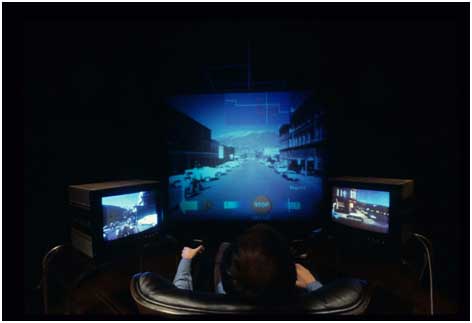
Fig. 3: Aspen Movie Maps are inspiration to modern VR applications
Later in 1980s NASA initiated a project to use virtual reality for computer human interaction. The virtual reality got its name and recognition among common masses when in 1990s, Jaron Lanier and Tom Zimmerman setup first company – Visual Programming Lab to sell virtual reality goggles in the market. Their virtual reality gears – Dataglove and Eyephone were a milestone in the development of this technology. Soon, virtual reality became an aspiring technology with several industry players competing for an edge.
In the early years of 21st century, virtual reality and augmented reality found application in smart phones and wearables. In smart phones, developers started using AR for gaming apps, navigation, internet browsing and 3D views. The concept and technology further advanced with the introduction of smart glasses like the goggle glasses.
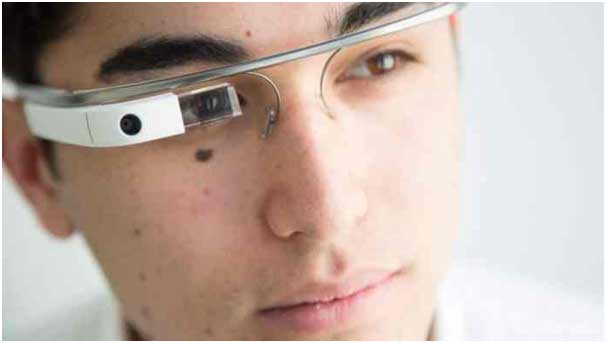
Fig. 4: Popular Goggle Glasses for Augmented Reality
At present, altered reality is seen as a parallel technology to other emerging technologies like artificial intelligence, internet of things, gesture based interaction, voice assistance and brainwave technology. The virtual reality is developing as a simulation and learning tool along with applications in the entertainment industry. The altered reality is expected to be an interactive means for humans to interface with the reality giving an enhanced real-world experience and interaction.
Virtual Reality Vs Altered Reality –
Virtual Reality and Altered Reality may have common roots but have certain basic differences. Virtual Reality blocks the current surroundings through closed goggles or VR gears and transpose user into an entirely different surrounding. The imposed surrounding is a 3D model which can be practically explored through body movements. This imposed surrounding can be a street view which user can walk through, a roller coaster with real-life stunning visuals or a scuba diving expedition. The complete 3D model of the imposed surrounding is called virtual tour as it virtually takes user to a different place and let him/her explore it through life-like visuals and sounds. A number of virtual tours are so close to real-life that they feel like teleporting rather than transposing.
Altered Reality takes the current surrounding and add 3D images to it. The user can interact with these 3D images through gestures and body movements. For example, Microsoft’s Hololens let one surrounded by 3D interfaces of windows apps. A user can interact with the apps through gestures or hand movements. So, the user maintains the perception of current surrounding with additional life-like 3D images imposed therein with witch he/she can interact.
Altered Reality is currently developing under two headings – Augmented Reality and Mixed Reality. Augmented Reality simply augments 3D images to the current surrounding. Unlike virtual reality that requires closed goggles, AR can be experienced through regular goggles, smart phones, cameras or even contact lenses.
Mixed Reality is an advanced form of augmented reality. In mixed reality, digital images are not just added to the real surrounding, they are overlaid on the current surrounding. This can be done either by overlaying interactive 3D images in current surrounding or superimposing a complete virtual environment to the current surrounding. Like on using Skype through Microsoft’s Hololens, user can video call to someone through holographic images. The user can connect, disconnect or hold a call by touching holographic buttons virtually projected before him/her.
Mixed Reality can also superimpose a complete virtual environment to the current surrounding. Like Hololens can be used to animate a historical event at a tourist spot or draw a digital painting on a virtual canvas.
https://www.youtube.com/watch?v=pLd9WPlaMpY
Mixed Reality is a combination of virtual reality and augmented reality. It differs from augmented reality that the digital content superimposed in mixed reality is more immersive and interactive.
Virtual Reality is useful in applications like entertainment, virtual tourism, training and simulations. Augmented reality and mixed reality are the future of human – computer interaction as well as human interaction with the real world.
Major Challenges –
All these reality technologies though still being stunning are right now in their primitive stage. There is lot to forge ahead. The biggest challenge before reality technologies is of creating high resolution life-like objects. Another major challenge is rendering such objects on a current surrounding in real-time. The third important dimension in reality technologies is its convergence with input technologies like gesture based interaction, voice assistance and brainwave technology. Both Virtual Reality and Altered Reality are amazing and full of aspirations. By now and then, the developers and designers have just embarked the very first step to a long voyage.
Filed Under: Tech Articles
Questions related to this article?
👉Ask and discuss on Electro-Tech-Online.com and EDAboard.com forums.
Tell Us What You Think!!
You must be logged in to post a comment.