Engineering is one of those rare fields that could lead to path-breaking solutionstowards real world problems. A highly lucrative field for its practitioners, it has virtually transformed the world that surrounds us.The continuous technological advancement and upgradation have made it possible for the electronics sector in India to flourish in the vastly competitiveglobal market.
In view of the enormous scope for growth in this sector, electronics engineers can build a professionally rewarding career in various fields such asautomotive, aerospace, power generation, pharmaceuticals, consumer goods, defense, construction, energy, agriculture, utilities, oil and gas, etc. However, if you wish to be your own boss and start your own venture, there are amplebusiness ideas for youto realise your dream of donning the hat ofan entrepreneur.
Here, we are going to discuss some business ideas and tips that can help you become a successful entrepreneurand turn your knowledge and skills into something productiveand profitable:
1. Provide Training
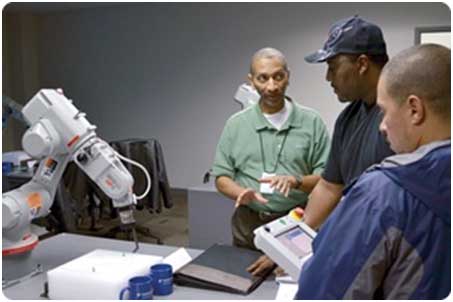
Fig. 1: Electronic Engineering Training
Electronic engineers can make a good start by providing training in various disciplines of electronics such as industrial automation, matrix laboratory, embedded systems, etc. Moreover, it’s not just the university and college students, but the likes of manufacturers, inspection agencies, and repair organisations can also be trained when it comes to the designing, repair, and maintenance of industrial plants.
2. Electronic Toys
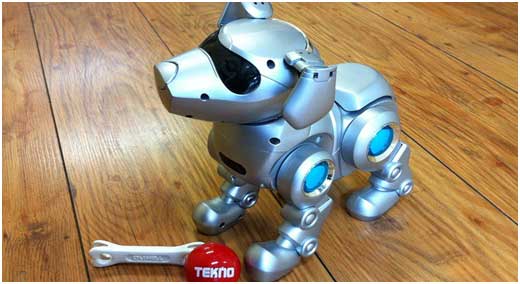
Fig. 2: Tekno-the Robotic Puppy
If you are good at adept at all aspects of electronics, particularly the hardware, then making electronic toys can help you a long way in making a fruitful career. You can start with a small toy store and then turn it into a line of production or simply work for toy distributors present in the market. Nowadays, automation is the in-thing,hence electronic toys enjoy great volumes of sale among the children who no longer want to play with soft toys or wooden toys.
3. Sales, Servicing & Repair
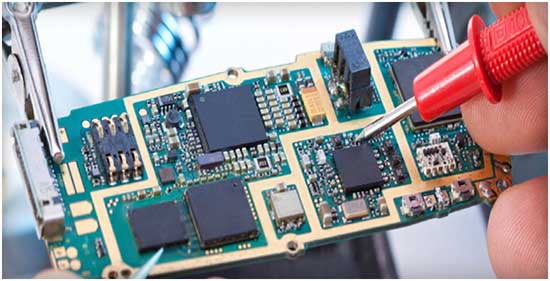
Fig. 3: Servicing & Repair of Electronic Components
Electronic tools, gadgets, and equipment need timely repair and maintenance like circuitry inside modern vehicles (sound system) or IT equipment in offices (computers, routers, printers/scanners, etc.. So, one can either sell a line of IT products and other gadgets or provide the repair and maintenance services, including after-sale services. This may prove to be an added advantage, especially if you are well-versed with the technical know-how of modern devices that are in great demand.
4. PCB Manufacturing
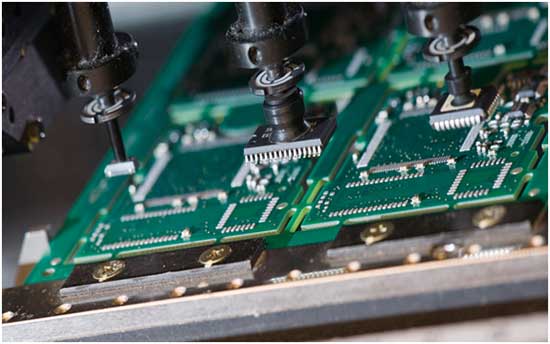
Fig. 4: PCB Assembly Process
In any electronic component, the major role is played by its circuit board. So, if you can deal with PCBs like a pro, you can design and sell printed circuit boards to construction, engineering, or manufacturing companies.You can also invest in automated equipment to manufacture PCBs on a large scale and supply them in bulk to businesses like computer manufacturing firms.
5. Developing Embedded Products
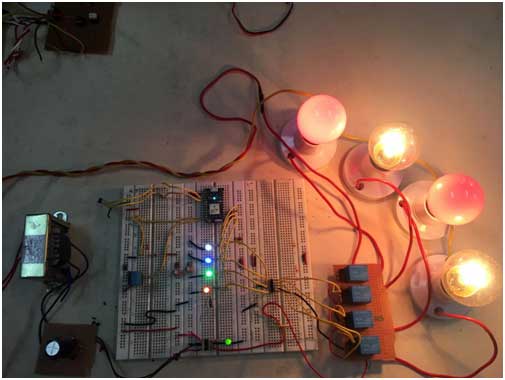
Fig. 5: Internet-Based Home Automation Setup Developed at EngineersGarage
If you are well-versed with electronics hardware as well as software handling, you can developa variety of smart home devices. Besides, you can start the installation and repair of GPS tracker in vehicles to develop a viable business out of it. Being an electronic engineer,you can skillfully handle hi-tech devices and easily develop, supply, or even repair such fitments.
6. Electronic Test Equipment Rental Services
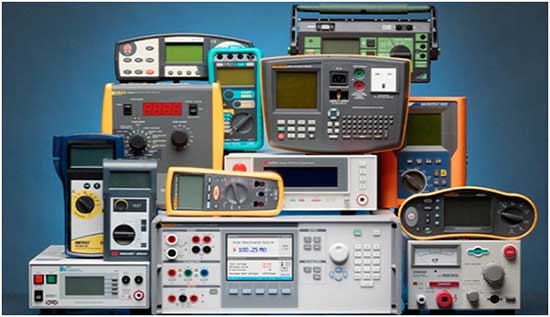
Fig. 6: Electronic Test and Measurement Equipment
Electronic test equipment is used while testing electronic devices in order to capture the responses and create signals. These include curve tracer, network analyser, transistor tester, leakage tester, tube tester, spectrum analyzer, etc. Small firms and individuals often look for rental test equipment as they can’t afford heavy, expensive tools. So, giving out such test equipment on rent may result in long-term benefits.
7. Industrial Automation
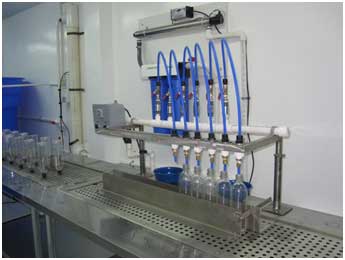
Fig. 7: Industrial Automation
Industrial automation requires the usage of information technology and control systems like robots and computers. This helps in dealing with various machineries and processes. Such businesses are often operated on a large- scale because of the complexitiesinvolved. So, if you have sufficient resources, then industrial automation can fetch yougreat returns.
8. Electrical Panel Manufacturing
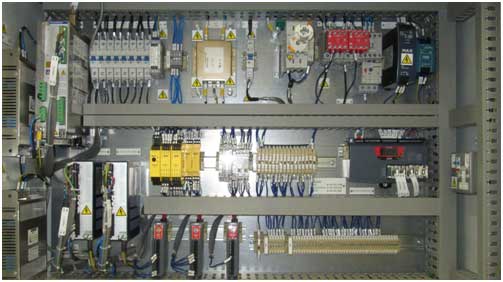
Fig. 8: Electrical Panel Control
In the industrial electrification, electrical control panel is an important product, which regulates the operations of electrical equipment. Such panels provide protection against damage from overload or short circuit. These products are used by government bodies and boards as well as large and medium factories. You can run an electrical panel manufacturing unit and make it viable within a short time.
9. E-Waste Recycling:
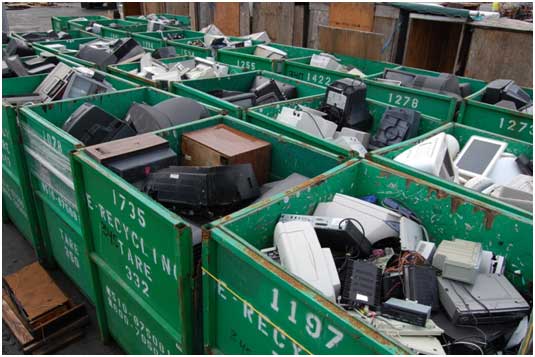
Fig. 9: E-Waste Recycling
The widespread use of gadgets and devices generates a huge amount of electronic waste (e-waste) that has a negative impactonthe environment. Many public and private sector organisationstend to replace old computers, printers, scanners and other equipment with the new ones which creates a lot of e-waste. Moreover, only a small amount of this waste is recycled while a large portion is directly dumped into landfills and incinerators.
Therefore, setting up a business for recycling e-waste can turn out to be abeneficial proposition in terms of monetary returns as well as in protecting the environment. However, it involves capital intensive operations.So,you are required to plan things such as yourbudget, products to deal with, and the sources from where the waste is obtained before you take the plunge.
10. LED Lights Assembly
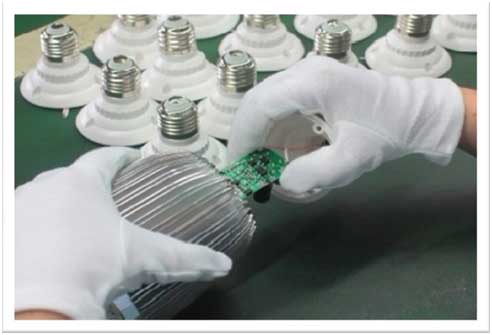
Fig. 10: LED Lights Assembly Process
LED lights have totally overtaken the market by driving CFLs, bulbs, and tube lights almost out of business. This is because these lights are much more eco-friendly and power-efficient. There are various kinds of LED lights used for both domestic and commercial purposes. Some of the varieties include– LED lamps, LED corn lights, LED canopy lights, LED strip lights, and LED high bay lights. Either you can set upyour own LED manufacturing unit or simply work as a distributor since heavy capital investment is required for establishing a plant.
Although these are just a few areas where electronic engineers can invest their time and money to set up their ownbusiness, there are many more avenuesthat theycan explore by studying the market trends.
· Tips for Entrepreneurs
After zeroing in onthe business idea that you wish to work upon, there are certain factors that you must take into account to ensure that you do not incur losses. Have a look:
1. Addressing Real-World Problems:
You may have an exceptionally unique idea in yourmind but it is very crucial that it solves a real-world problem,mitigates or does away withan existing complexity. Otherwise, there may be few takers ofyour idea.
2. Market Research
Sometimes,you may come out with a highly innovative ideathat nobody has thought of earlier. In such a case, you need to study the market potential of your idea anddetermine your target audiences. The chances of success (to a great extent) depend upon how viable your idea is and how unique your product is. You also need to be equipped with sufficient skills to sell your idea to your prospective clients.
3. Choosing your Partner:
Make sure that the partners you choose to work with are involved inyour business withtotal commitment and the size of the group should be manageable. If you don’t get along well with yourpartners or some of them just contribute half of their time, eventually the team maysplit up.
4. Work Experience:
When you decide to establish a whole business on your own, you make a choice of not working under anyone’ssupervision. However, it will always help if you have sufficientprior work experience, technical know-how and broad idea of the business environment and the way various aspectsassociated with it are handled. Moreover, it will also help you with the financial sustenanceuntil the business grows big enough to generateprofits.
5. Stay competitive:
Participation in various contests would give you an idea as to how feasible your product is. Besides, you can seek funding from investors by establishing a strong network and gain publicity at platforms where crowds will notice your business venture.
6. Focus on long-term goals:
It is simply impractical for any business to earn profits from day oneand sometimes you may have to wait for a long time. So, yourfocus should alwaysbe on long-term goals rather than expecting a miracle to happen. It is always advisable to have an additional source of earning or sufficient savings because relying solely on income from your new venture at initial stageis far too risky.
7. Seek Guidance:
There are a lot of people who have been there where you wish to reach;so,a piece of advice, be it financial or any other, can do wonders for your business plans. Moreover, you can always discussyour idea or demonstrate your product in front of your close, reliable friends and family so as to get an idea about the kind of feedback it receives. Also, it is important to understand that criticism is as important as appreciation because it helps you resolve issues at theinitial stage of business.
8. Obtaining Legal Protection:
Sometimes others may easily duplicate your product or alter your original idea to mould it into something of their own, leaving you feeling cheated and taken for a ride. So, it is very important for you to be acquainted with all the procedures for ensuring legal protection, copyright, trademarkor patent of your idea. You must take recourse to intellectual property right that provide you an exclusive right over the use of your own creation.
So, these are some useful tips for the electronics engineers who wish to embark upon the challenging but rewarding journey of entrepreneurship. Good luck!
Conclusion
Observing the current market trends where so many entrepreneurs are scripting success stories, it won’t be wrong to say that now is the best time for technology-orientedbusinesses to flourish.Owing to increasing pace ofglobalization, connectivity, technological upgradationand easy access to finance and other resources, numerous opportunities are available for aspiring entrepreneurs to turn their ideas into reality.But it should be well-thought-out decision that takes into account pros and cons of your business idea and thus guards you against potential disaster.
Filed Under: ARM, Tech Articles
Questions related to this article?
👉Ask and discuss on Electro-Tech-Online.com and EDAboard.com forums.
Tell Us What You Think!!
You must be logged in to post a comment.